

Table of Contents
Hailstorms can leave lasting damage on asphalt shingle roofs, even when the impact isn’t immediately visible. What starts as minor surface wear may lead to water intrusion, structural deterioration, and higher repair costs over time. We’re talking about shingles losing their protective coating, sealants loosening, and gutters denting and detaching. If you’ve experienced a hailstorm, your roof may be compromised without you even knowing it until it’s too late
Michigan homes face seasonal weather patterns that make this type of damage a recurring concern, but by identifying signs early on and working with a qualified contractor like Bach Roofing, you can keep problems from spreading. In this guide, we’ll review how hail affects your roof, what damage to watch for, and how repairs are handled from inspection to replacement.
How Hail Damages Your Roof
Hail can damage your roof in several ways, depending on the size of the stones, the force of the wind, and the condition of your roofing materials. Larger hailstones, for example, strike with more pressure and are more likely to dent, crack, or tear shingles. Even smaller stones can cause wear over time, especially when combined with strong wind or repeated exposure.
What’s especially concerning is that asphalt shingles tend to lose granules after a hailstorm, which weakens their surface and exposes the asphalt beneath. Once exposed, the material becomes more vulnerable to water intrusion and UV damage. Over time, this can cause shingles to dry out, curl, or allow moisture to seep in.
Wind adds another layer of stress by pushing hail into vulnerable points on the roof. It normally drives hail sideways, hitting raised edges or worn-out corners where shingles are already loose. Damage to flashing, vents, and other metal parts is also common, and these areas are critical to keeping your roof sealed. That’s why it’s so important to check for signs that your roof has been compromised after a hailstorm.
Signs of Hail Damage: What to Look For
Hail damage isn’t always obvious. While some issues appear right away, others take time to develop. If your roof was hit by a recent storm, a surface check might not show you everything. However, there are common signs that indicate damage has occurred, even if it hasn’t yet caused a leak. Knowing what to look for can help you catch problems early and avoid more serious repairs down the road.
Granule Loss on Shingles
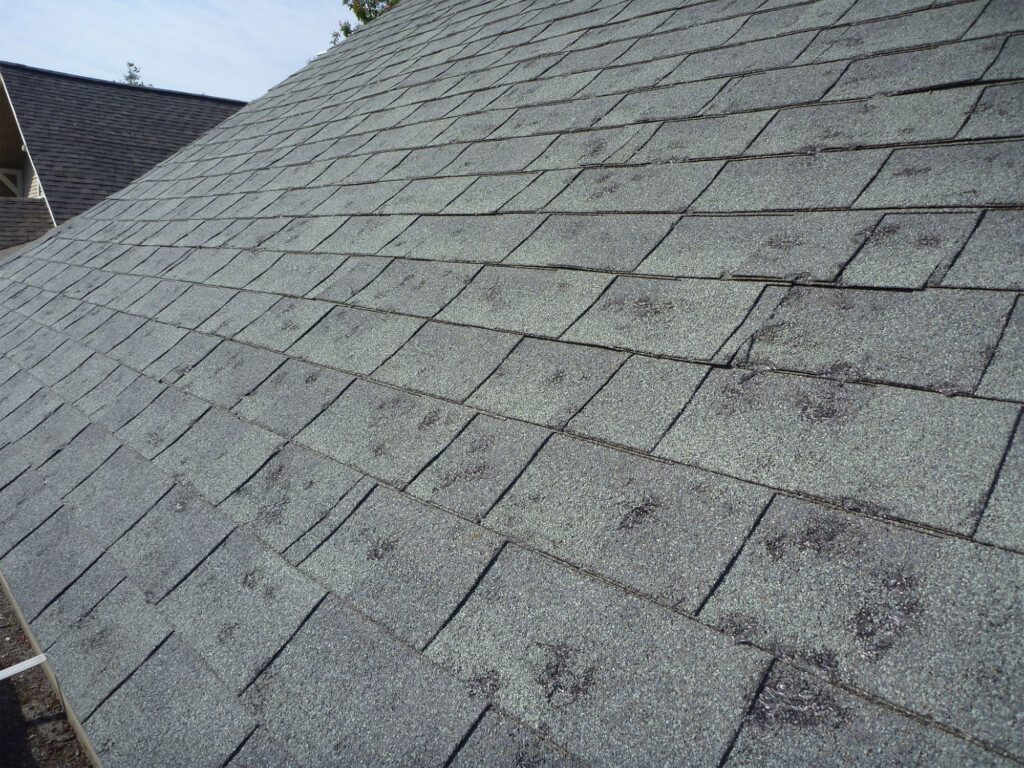
Each asphalt shingle has a layer of mineral granules that shields it from sun exposure and weathering. When hailstones strike, they can knock these granules loose, leaving behind bald patches or discolored areas. You might also see a buildup of granules in your gutters, around downspouts, or scattered near the base of your home. Once the granules are gone, the asphalt layer beneath begins to wear faster and can absorb moisture.
Bruising or Soft Spots
Bruising happens when hail compresses the shingle without puncturing it. The surface may look intact, but a soft area forms where the impact broke down the underlying structure. These bruises feel spongy or weak when pressed and often lead to cracks later on. If left alone, bruised shingles may start to curl, leak, or detach during the next storm.
Cracks or Splits in Shingles
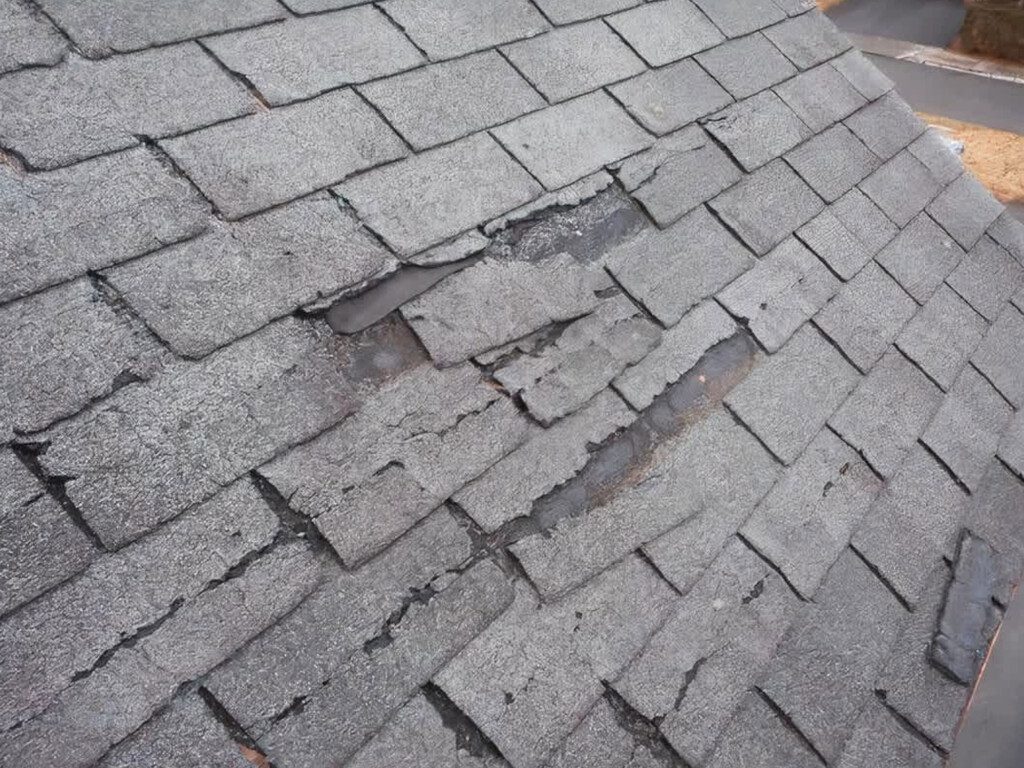
Some hail impacts are strong enough to break shingles outright, especially on older roofs where the materials have become brittle. Cracks can form along the edges or stretch across the face of the shingle. These breaks interrupt the flow of water and allow moisture to seep in between layers. Once water reaches the underlayment or roof deck, repairs become more involved and expensive.
Damaged Flashing and Roof Vents
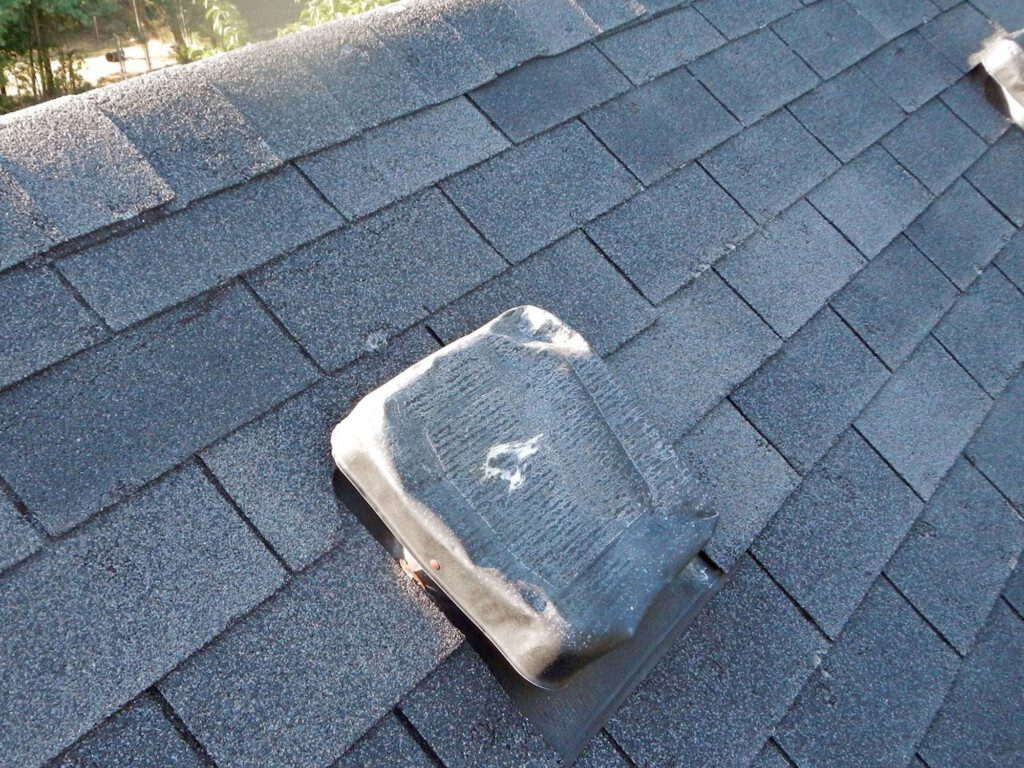
Metal fixtures on your roof, including step flashing, vent covers, and ridge caps, can take direct hits from hail. Dents, bends, or visible separation from the roof surface mean these areas are no longer sealed properly. Even a small gap around flashing can let in water and cause damage to the roof structure below. Over time, this may lead to leaks in the attic or along walls.
Gutter and Downspout Dents
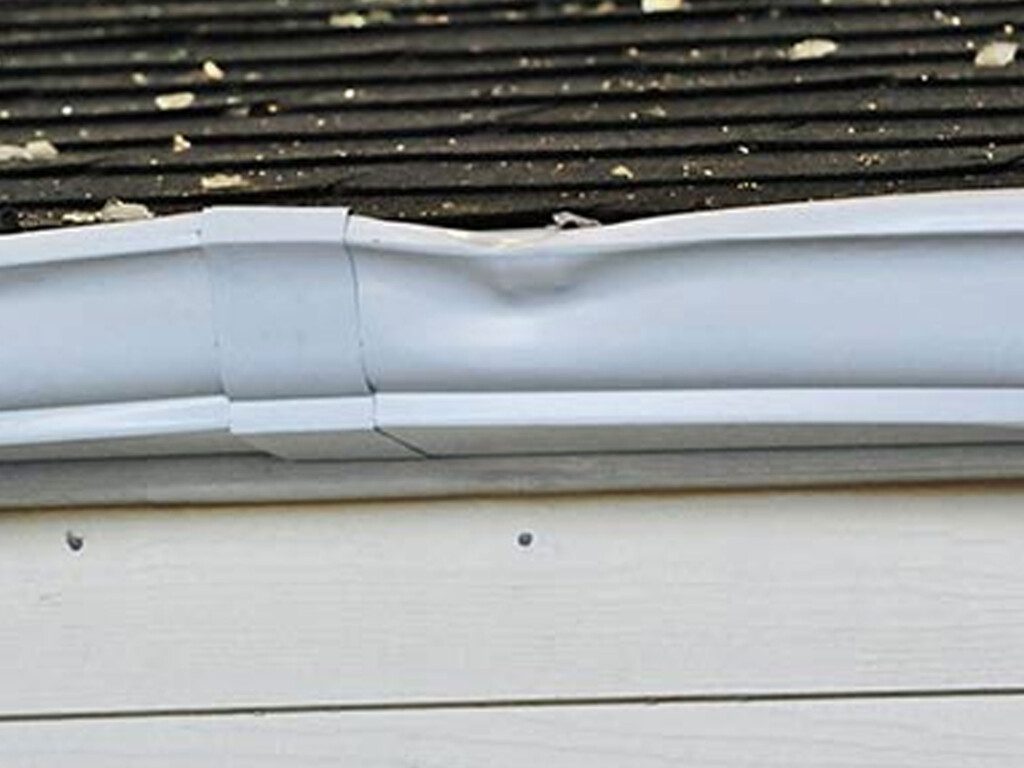
Gutters and downspouts serve as early warning signs of hail activity. If you notice dents or impact marks on the metal, it’s likely the roof shingles were struck as well. Hail can also knock gutter sections loose or damage the fascia board behind them. Any changes in how water drains from your roof, like new leaks, overflow, or standing water, should be checked right away.
Hidden Damage You Might Miss
Not all hail damage is easy to spot. While dents and missing granules may catch your attention, more serious issues often remain hidden beneath the surface. These unseen problems can develop slowly, leading to structural deterioration, moisture intrusion, and insulation failures that take time to reveal themselves. If no one inspects the roof after a storm, damage that starts small can spread until it affects larger sections of your home.
Roof Decking Damage
Your shingles and underlayment shield the roof deck from rain, snow, and wind. When hail strikes with enough force, the impact can transfer through the top layers and damage the decking underneath. Even if the surface looks undisturbed, the wood panels below may crack, shift, or begin to separate at the seams. Once the decking loses its shape, it’s harder for the roof to hold shingles flat or prevent moisture from seeping in. Over time, this can lead to sagging, mold growth, or even structural rot.
Compromised Sealant Strips
Adhesive strips on asphalt shingles help hold them in place and create a seal that keeps out wind and water. A hailstorm can weaken these bonds by jarring the shingles or wearing down the adhesive. Once that seal breaks, even a light breeze may lift a corner or edge. This exposes the underlayment and nails to the elements, raising the risk of water damage with every storm that follows.
Delayed Leaks
Leaks caused by hail don’t always show up right away. A small fracture or puncture can let in moisture that remains hidden behind walls or insulation. You might not see any damage until a ceiling stain appears, the paint starts to bubble, or mold begins to grow. By then, water may have already spread across multiple layers of the structure. These delayed leaks are one of the main reasons roofing inspections after hail are so important, even when the roof seems fine at first glance.
What To Do After a Hailstorm
Even if your roof seems unaffected after a hailstorm, the impact may not be visible without a close inspection. Taking a few practical steps helps you detect any damage and prepare for any repair or insurance needs that may follow.
Inspect From the Ground First
Begin by checking the area around your home for signs of hail impact. Look for dents in gutters, downspouts, and metal trim, as they often show damage even when shingles don’t. Scan your siding, window screens, and vehicles for similar marks. Use binoculars to get a better look at the roof surface, but don’t climb up yourself – foot traffic can loosen already-damaged shingles, and wet roofing materials create a serious slip hazard.
Take Photos and Notes
If you notice any damage, no matter how minor, take clear, well-lit photos from multiple angles. Capture close-ups of hailstones if they’re still present, and use a tape measure or coin to show their size. Write down the date, time, and details of the storm, including how long it lasted and what you observed during and after. This documentation may become important later, especially if you decide to file an insurance claim.
Schedule a Professional Inspection
Even if your quick check doesn’t raise concerns, a trained roofer may spot signs you missed. Early inspections can reveal bruised shingles, sealant failure, or hidden moisture paths before they turn into more expensive repairs. If repairs are needed, having a detailed inspection report on hand makes it easier to plan the next steps or speak with your insurance adjuster.
How Bach Roofing Repairs Hail Damage
Once hail damage is confirmed, quick repairs help prevent water intrusion, mold, insulation damage, and structural deterioration. Bach Roofing approaches every repair project with a clear plan, honest communication, and attention to detail. Whether you’re dealing with a few cracked shingles or a roof that’s been compromised across multiple areas, the goal is to restore full protection and extend the life of your roof.
Inspection and Written Estimate
The repair process begins with a thorough inspection by an experienced roofing technician. During the assessment, each section of the roof is checked for granule loss, bruising, cracked shingles, lifted edges, and damage to flashing or vents. The inspection also includes a check of the roof deck for hidden structural wear.
After the review, you’ll receive a detailed written estimate with a breakdown of what needs to be repaired or replaced, the materials that will be used, and the cost of labor. Photos from the inspection are included to help you see what the technician found and why repairs are being recommended.
Shingle Replacement and Repair Work
For roofs with moderate damage, the crew will remove only the shingles that were affected by hail. The new ones will be matched in color and material to the rest of the roof to maintain a consistent appearance. We also replace underlayment in the areas where moisture may have penetrated, and apply each new shingle according to current installation standards. Damaged vent boots and exposed nail heads are also addressed during this phase to keep the roof watertight. These repairs help reinforce the roof while preserving as much of the original structure as possible.
Flashing and Metal Component Repair
Flashing protects roof seams, valleys, and protrusions from water entry. When hail dents or lifts metal flashing, it compromises those protective seals. Bach Roofing inspects all flashing around chimneys, skylights, vents, and drip edges. Any dented or detached flashing is replaced and resealed. If vent covers or ridge caps were damaged by hail, those components are removed and upgraded with durable replacements that meet local building codes.
Full Roof Replacement, If Needed
If hail has caused widespread damage (or if the roof is near the end of its service life), a full replacement may be the most practical option. Bach Roofing will review the inspection results with you, explain the risks of delaying repairs, and walk through your material options. If you choose to replace the roof, the crew will tear off all existing layers down to the decking, replace damaged wood if needed, and install new underlayment, flashing, and shingles. Proper ventilation will also be evaluated to improve airflow and reduce moisture buildup under the roof.
Workmanship Backed by Warranty
All repair and replacement work is covered by a 10-year labor warranty. If any installation issue arises during that period, the team will return to correct it. This warranty gives you peace of mind that your repairs are protected by a company that takes pride in its work and stands behind the results.
Should You File an Insurance Claim?
When hail damages your roof, repairs can range from minor to extensive. In many cases, your homeowner’s insurance policy will cover the cost, provided the damage meets the criteria laid out in your coverage. A careful inspection and a clear estimate can help you decide if moving forward with a claim is the right call.
When Filing Makes Sense
Filing an insurance claim may be worthwhile if the repair estimate is higher than your deductible or if the damage puts your home at risk of further deterioration. Even if your roof isn’t leaking yet, damage that weakens the surface could lead to bigger problems in the next storm. If your roof is relatively new, your policy may reimburse for full replacement value rather than depreciated cost, which can make the claim far more valuable.
Insurance carriers often set time limits for filing after a storm, so waiting too long could reduce your chances of approval. Getting an inspection soon after the storm not only confirms the condition of your roof, but it also helps you avoid missed deadlines. Keeping photo records and notes about the weather event adds another layer of support if you decide to move ahead.
How the Claims Process Works
Once you decide to file, the first step is to contact your insurance provider and report the damage. They’ll open a claim and schedule an adjuster to visit your property. The adjuster’s job is to assess the roof, review your documentation, and estimate the cost of repairs or replacement. If you’ve already had a contractor inspect the damage, that report can help ensure nothing gets overlooked.
Bach Roofing can meet with the adjuster onsite, walk them through the inspection findings, and answer questions about the repair plan. Once the adjuster finalizes their report, you’ll receive a coverage decision and, if approved, a payment breakdown. This includes the repair estimate minus your deductible, and in many cases, a holdback payment that’s released once the work is completed and verified.
Concerned About Hail Damage? Request A Free Estimate
Hail can damage your roof in ways that aren’t always visible from the ground. Granule loss, bruised shingles, cracked flashing, and hidden leaks can all result from a single storm. If left unaddressed, even small areas of damage can grow into more serious problems that affect your home’s structure. That’s why it’s important to inspect your roof after every major hailstorm and act quickly when signs of damage appear.
Bach Roofing helps homeowners throughout Michigan identify and repair hail damage before it spreads. From initial estimates to full roof replacements, every job is handled with clear communication and dependable workmanship. If your home has been hit by hail, now is the time to schedule a free estimate. Protect your investment (and your peace of mind) by reaching out to a team that stands behind its work. For more information, please fill out our online contact form or call 586-244-2086.